

What is domain impersonation? How to spot it and stop it
Domain impersonation is when someone registers a lookalike of your domain to pose as you. Its forms, how it differs from spoofing, and how to stop it.
David Batey ·
Guides on fake web addresses, copied websites and impersonation, and news from DefendDomain.
Domain impersonation is when someone registers a lookalike of your domain to pose as you. Its forms, how it differs from spoofing, and how to stop it.
David Batey ·

ChatGPT answers have included links to fake copies of real UK stores. What that costs the brand whose name is on the fake, and the five things you can do about it.
David Batey ·

A lookalike domain can be taken down once it is used for fraud, for selling fakes or for passing itself off as you. Not when a competitor trades as itself.
David Batey ·

Seven steps to prevent brand impersonation: close off what you control, then spot the lookalike domains you cannot buy early and get them taken down.
David Batey ·
A lookalike of your domain is emailing your customers and suppliers as you. What to do today, in order, and how to find the lookalikes nobody has used yet.
David Batey ·
How to judge a lookalike domain monitoring tool before you buy: seven questions on coverage, timing, email-only domains, alerts and what happens after the alert.
David Batey ·

Found a copy of your website? What to do in the first 24 hours, how to get the clone taken down, and how to find the next copy before your customers do.
David Batey ·

Our external audit returned a pass with zero nonconformities, 357 days after the company was formed. What ISO 27001 is, why it matters, and how we built our information security management system into how we run the company.
David Batey ·
The FBI named dozens of fake FIFA domains weeks before the World Cup started. The same lookalike-domain tactic is used against any brand online. How to find them early and get them taken down.
David Batey ·
M&S confirmed a £131m direct cyber cost and £324m in lost sales. Most leadership teams read the headline wrong: the brand was used as the weapon, and the harm lands on everyone who trusts it.
James Bending ·
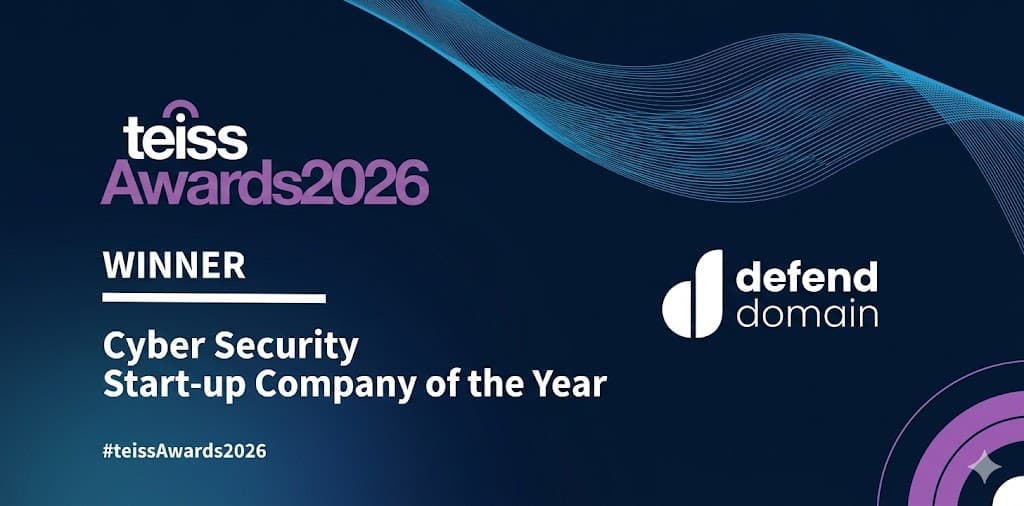
teiss judges named DefendDomain Cyber Security Start-up of the Year 2026. What a panel of practitioners chose to recognise says where brand impersonation defence is heading.
James Bending ·
How brand impersonation is used to spread false information about a company, and what you can do to protect its reputation and its customers' trust.
James Bending ·
How some competitors use brand impersonation to damage rivals, and what you can do to protect your business.
James Bending ·
How criminals register your name on other domain endings to deceive your customers, and how to protect your brand.
James Bending ·
Why brand leaders should treat domain impersonation as a risk to their company's reputation and their customers' trust.
James Bending ·
DefendDomain finds web addresses made to look like yours and tells you when one is set up to send email or shows a copy of your website.
Checks 150+ lookalikes of your domain in a couple of minutes and emails the report to your work address. No account, no card.
ISO 27001 certified · Cyber Essentials certified · Winner, teiss Cyber Security Start-up of the Year 2026